Family history is a fascinating and personal way for everyone to better understand who they are and how our past has shaped us. Genealogy also helps to reveal and strengthen connections between individuals and communities. But how do you get started?
Join the NYG&B and guest speaker Dr. Nicholas Dixon for a look at the key essentials for beginning your genealogy journey; resources and tips specific to conducting English family history research; and how you can preserve your own New York family stories.
In the 1850 census, around 86,000 inhabitants of the state of New York gave their birthplace as England. Tracing the origins of such emigrants in England is sometimes a daunting task, but there is a wealth of resources that can assist researchers in pinpointing ancestors. In this talk, Dr. Dixon will offer some practical advice about the first steps that are necessary to find out about English families. The usefulness of census records and church registers as a starting point for genealogical enquiry will be discussed, as will methods of researching vital records.
Participants can join us in person at the NYG&B New York City office or virtually. This is a free program, but registration is required. It is part of the NYG&B’s Preserving Your New York Story series, which offers free sessions for people to digitally preserve their own family history records as well as programming for tracing their family history and connecting with their past.
Speaker Bio
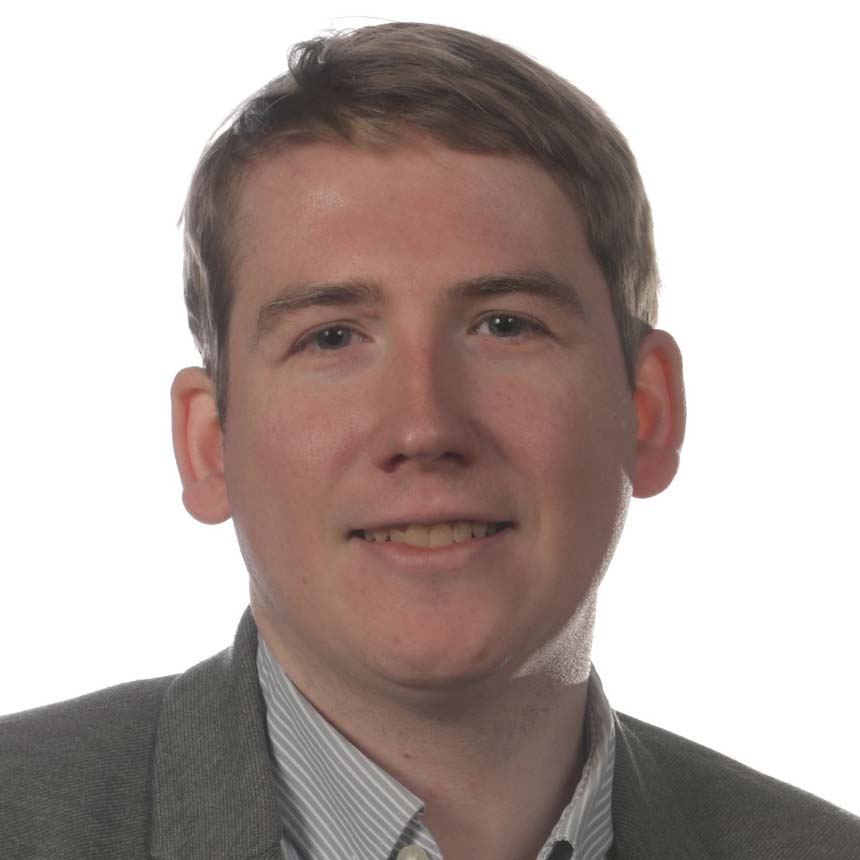
Dr. Nicholas Dixon is a professional genealogist and historical researcher based in London, UK. He studied history at the universities of Oxford and Cambridge, and was awarded a PhD in History degree by the University of Cambridge for a thesis regarding the Church of England during the early nineteenth century in 2019. He has also been awarded a Postgraduate Diploma in Genealogical, Palaeographic and Heraldic Studies with Distinction from the University of Strathclyde. He is an external contributor to the History of Parliament project, and he undertakes research for clients whose ancestors lived in the United Kingdom, including international clients. He is a director of the Register of Qualified Genealogists (whose journal he co-edits) and a co-representative for the Britain, Ireland and the Isles Chapter of the Association of Professional Genealogists.
This series is supported, in part, by public funds from the New York City Department of Cultural Affairs in partnership with the City Council.