
This course is currently at capacity. You may join the waitlist via the register button, and we will notify you if we have a cancellation and a spot opens up. No payment is required to register and join the waitlist.
From its original Indigenous inhabitants to successive waves of Dutch, English, and other European colonists to communities of free and enslaved people of color, Long Island has had a long, rich history as a place of settlement over the centuries.
Join the NYG&B and guest experts for an online exploration of resources and approaches for tracing ancestors on historic Long Island.
Online sessions include:
- Lectures on a range of topics
- Individual consultation sessions with expert genealogists
- Group Q&A periods
- Independent research time
This program runs 11:30 a.m. – approximately 4:30 p.m., ET each day.
Lecture topics:
- An Orientation to New York State and Historic Long Island Genealogy Resources with Terry Koch-Bostic, FNGS
This lecture takes you on a journey through time as New York emerges from colony to statehood and the development of its 62 counties. Learn about key records for 1638–9 New Netherland, maps for imagining life in early New Amsterdam, and important sources for Brooklyn and Queens (now the “old Long Island” following the 1898 consolidation of New York City) as well as sources for modern-day Long Island (Nassau and Suffolk counties). Using statistics, geographic distinctions, settlement patterns, and an overview of repositories, sources, and records, this lecture will help participants land squarely in historic Long Island with a plan to look for ancestors.
- Nassau (formerly Queens): Transition, Migration, and Records with Susan R. Miller
This lecture discusses municipal organization of the county the transition from Queens County to Nassau County, migration from New York City and elsewhere, and records and repositories for research in Nassau and Queens counties.
- Suffolk County: Long Island's Oldest Villages and Nearly 400 Years of Records with Terry Koch-Bostic, FNGS
In 1640, settlers of the New Haven Colony made their way to the farthest end of Long Island under the leadership of the Reverend John Youngs. Soon after, the Towns of Southold, East Hampton, and Southampton were established, followed by Riverhead and Shelter Island and the Towns of Brookhaven, Smithtown, Islip, Babylon, and Huntington forming the remainder of Suffolk County. Each of these towns added their unique history, immigrant populations, and occupations, with settlers farming and fishing alongside the Native American populations already present. Learn about Suffolk County records that will whisper the stories of generations of your ancestors.
- Long Island Materials in the NYG&B’s Online Collections with Kalyn Loewer
Kalyn Loewer, the NYG&B’s Digital Collections Manager, guides program attendees through the Long Island materials available in the NYG&B’s online collections, such as Long Island Cemetery Records and the newly digitized Village of Brightwaters collection, and provides strategies for navigating these records. Kalyn will provide helpful tips and tricks for searching and applying filters to the Online Collections Catalog, delve into different search results, and review additional materials available on nyfamilyhistory.org that can support your Long Island research.
- Genealogical Resources in the Queens Library Archives with Erik Huber, Senior Librarian, Photo Archivist
Prior to this Empire State Exploration program, you will be given special free access to the NYG&B’s on-demand New York State Family History School course, New York State Research Fundamentals to help refresh your understanding of processes for conducting family history research in New York State. This online course includes sessions on vital records, census records, religious records, probate records, and more. Access continues through the last day of the program.
Program Fee
- NYG&B Members Early Registration Rate: $399 (ends April 28, 2026; after that registration rate is $469)
- General Registration: $469
Consultant and Presenter Bios
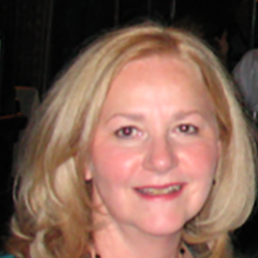
Terry Koch-Bostic, FNGS, is a professional genealogist specializing in New York City, New York State, Long Island, early Dutch and English in New York and New Jersey, and Irish research. She is a frequent lecturer nationally on diverse topics such as city directories, religious records, surname variations, and Irish, Loyalists, and Civil War records. Terry is an author and editorial reviewer for NYG&B’s award-winning book, the New York Family History Guide and Gazetteer. She currently serves as the New York Chapter manager and representative for the Association of Professional Genealogists. Terry is a Fellow and long-time volunteer for the National Genealogical Society (NGS); she volunteers on its education, marketing/communications, conference, and NGS Magazine editorial committees. She led the strategy, content, and design for the NGS website. Terry previously served on the NGS Board of Directors for eight years, two of those as Vice President. She is a retired Global Brand Director for Société Bic S.A. and senior managing executive for several New York City advertising and marketing firms.
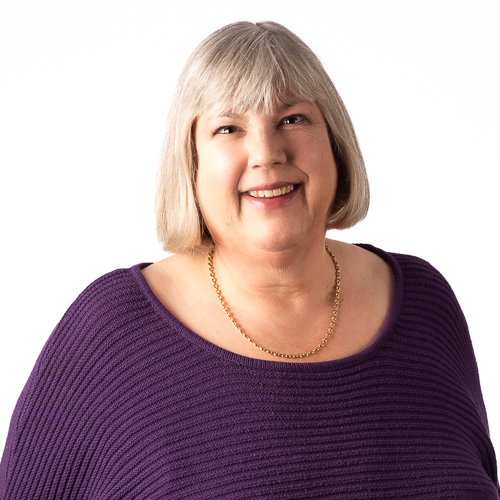
An NYG&B member since 1993, Susan R. Miller oversees the NYG&B’s print and digital publications. She is the editor of the New York Researcher magazine, New York State Archives Guide: For Family Historians, Biographers, and Historical Researchers, and New York City Municipal Archives Guide and a managing editor of the New York Family History Research Guide and Gazetteer. A graduate of Brown University, Susan is a member of the Association of Professional Genealogists and several other genealogical and historical societies.
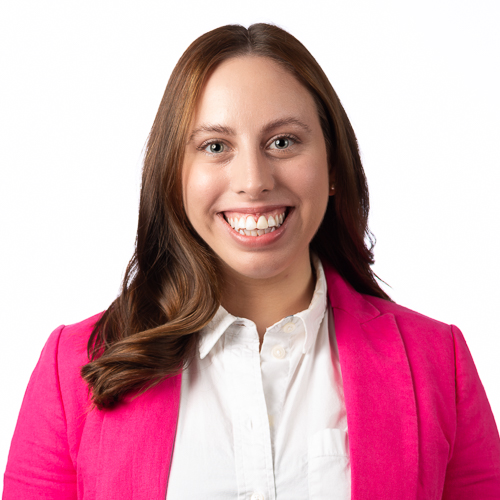
Kalyn P. Loewer, MA, NYG&B Manager, Digital Collections, works to digitize documents from all over New York State and makes materials available to researchers via the NYG&B’s online collections. She also educates communities about how to access and maximize these collections. Kalyn was the recipient of the John C. Gorman ‘38 Medal for Excellence in History from St. Francis College in 2021.
The Empire State Exploration program is an ideal interactive experience for tracing New York ancestors online under the guidance of genealogy experts. Participants join a small online group of fellow researchers for three daylong, at-home sessions of guided research and learning. Each online session is held live and features a special guest expert genealogist, lectures, individual consultation sessions, and group Q&A periods. Participants have access to materials for 30 days following the program.